



What Does Creative Research Look Like in the Arts?
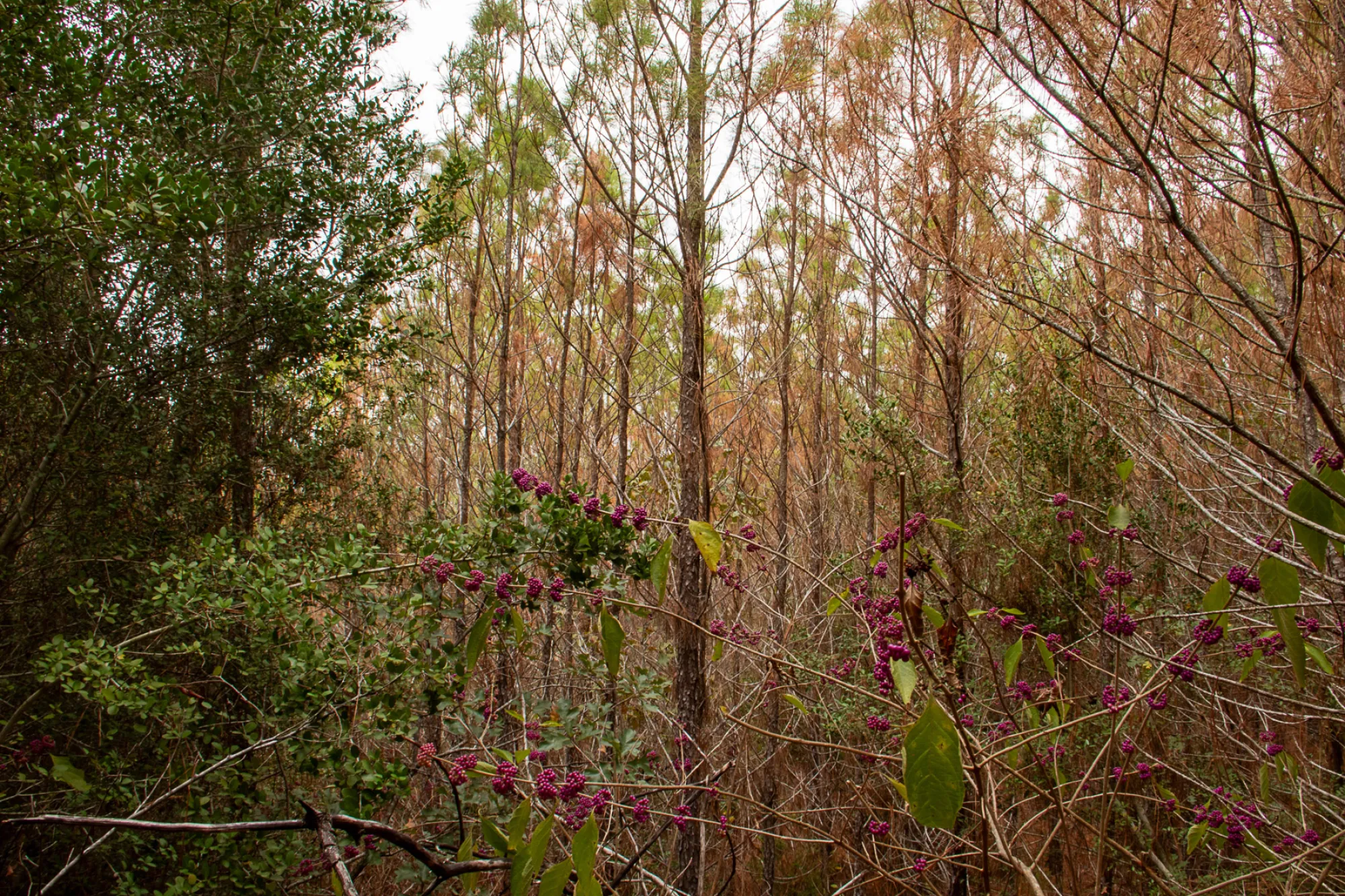
College of Fine Arts undergraduates incorporate research into their scholarship and creative practice
by Nathan Cutietta, Danni Bens, Gabrielle Hernandez and Sydney Pattillo
Across the College of Fine Arts, undergraduate researchers are asking ambitious questions and following them into unexpected places. Read on to meet five students whose research turns curiosity into creative discovery.
- Composition student draws inspiration from photograph, idea of play for new work
- Theatre and Dance student explores effects of catastrophic wildfire in Bastrop for documentary play
- Re-creating Robbins: From Archives to the Rehearsal Room
- Honors AET student uses physical and digital technology to break down accessibility barriers
- Design student combines sustainability with fashionable footwear
- Art History meets finance in award-winning honors thesis from recent graduate Danielle Gu
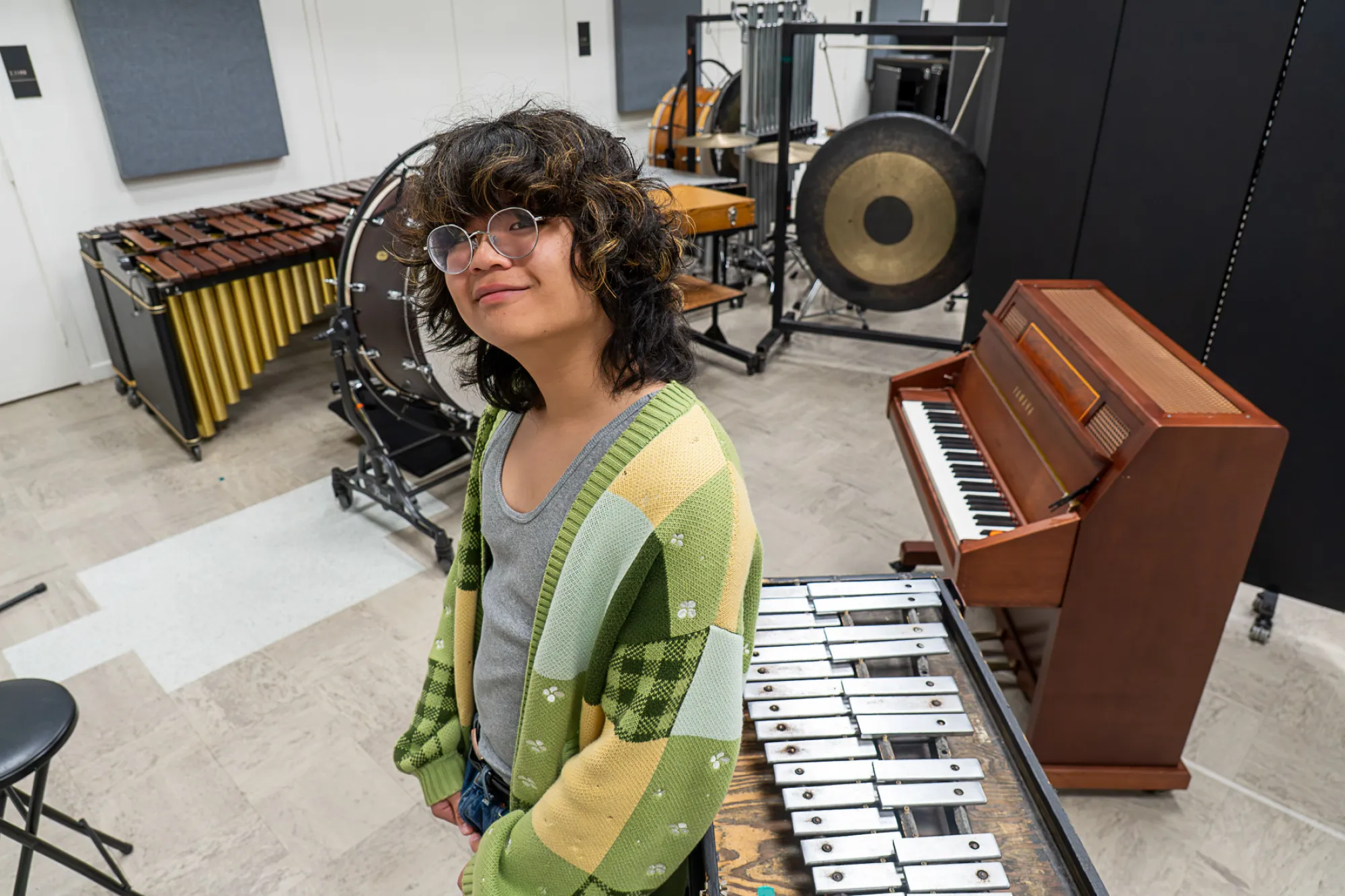
Composition student draws inspiration from photograph, idea of play for new work
by Nathan Cutietta
The poet Kahlil Gibran wrote, “Your friend is your needs answered.” This was certainly true for Brandon Shen, a Composition major and Arts Management and Administration minor during summer 2025. He had just completed his first year at the Butler School of Music and was now over 1,000 miles away and feeling lonely. He was also disappointed because he had spent his first year working on a piece of music that he never completed, which he called “a failed experiment.”
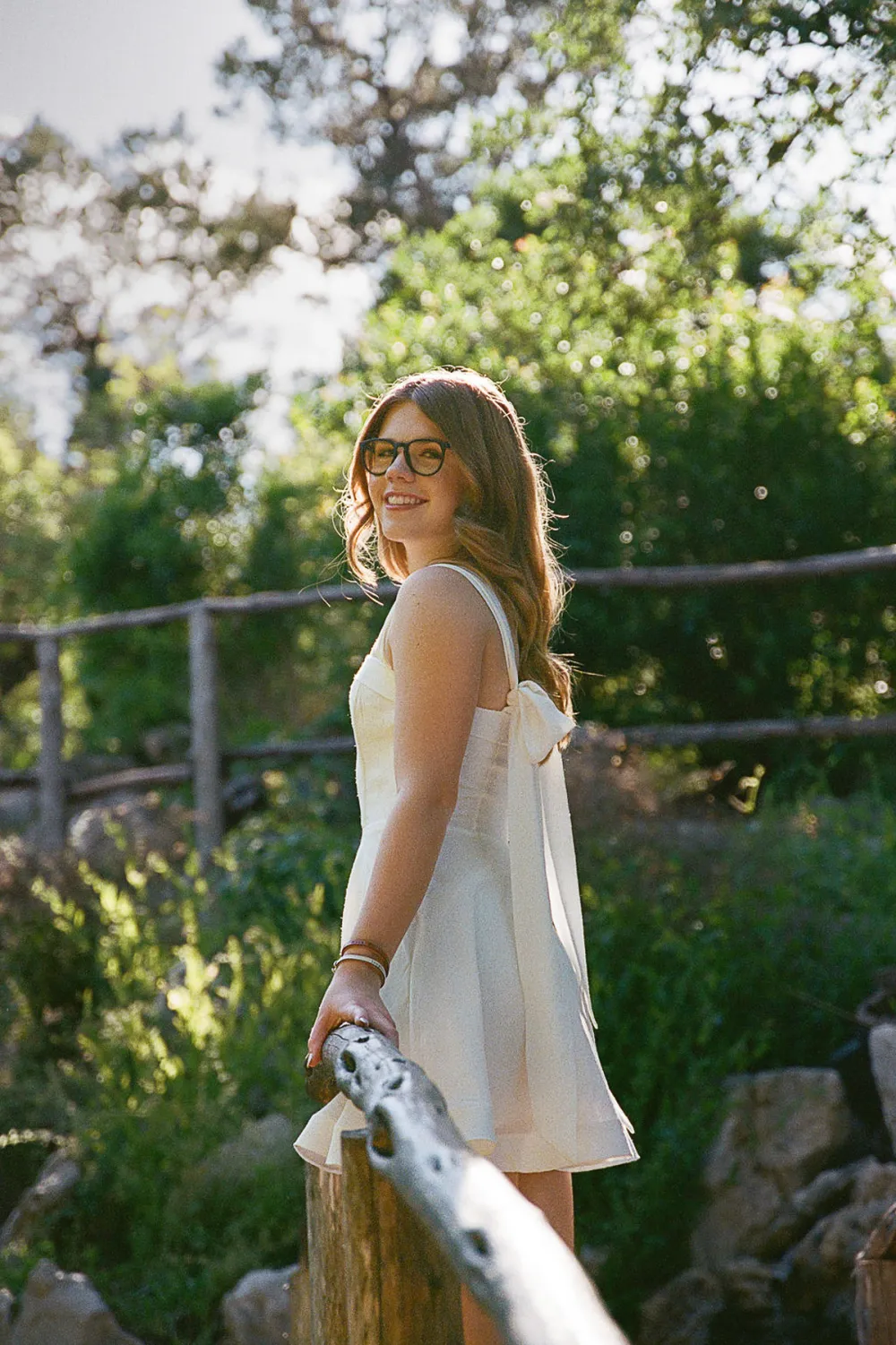
It was at this time that a friend, in Shen’s words, “answered those needs.” That friend was fellow student and saxophonist Quinlan Collins, and his inspiration came in the form of an Instagram profile picture of her standing in the sun, with “the light radiating off of her.” This image became the starting point for Suncatcher. The score is written for saxophone, electronics and glockenspiel, but it also includes some notes on lighting for the piece — how lighting is incorporated is up to the performer, but Shen makes it clear that lighting should be integrated into the piece.
“Quinlan is a very bright and bubbly person, and she reminded me a lot of this idea of play,” Shen said. “So, I came up with Suncatcher based on this photo. This piece is indicative of her personality. I was thinking a lot about depictions of playfulness. How can we take this idea of play and translate it into a mode of performance?”
When summer break ended, Shen returned to Texas, and he was further inspired by a work composed by Associate Professor Yevgeniy Sharlat. The piece, Spoil the Child, engages themes of play and childhood. This inspiration led Shen to a deeper exploration of play as a musical concept and how to portray it in a more abstract context.
“Play is such an important concept because when we zoom out and look at our lives, play is something we engage with to interact with the world,” Shen said.
The piece begins slowly and gradually becomes more animated. Shen described the opening: “I pictured starting the piece as looking at a suncatcher during the golden hour or another time of day when you have time to patiently watch it.”
At the beginning, it takes over 30 seconds for the lights to shift from yellow to orange. “That slowness is interesting to me because you’re sitting there, and it looks like the light isn’t changing, and then all of a sudden you notice it is different.” By the end of the piece, the lights traverse the entire color spectrum in less than a second.
Unlike his freshman year’s “failed experiment,” Suncatcher has been a clear success and has been performed three times during the past few months: at the CLUTCH New Music Concert Series, the Electric LaTex Festival at Tulane University and, most recently, at dadaLab in Austin.
We like to say, “What starts here changes the world,” but sometimes things start a thousand miles away from here, simply by thinking about the friends from here. As many College of Fine Arts alumni can attest, the friends you make here on the Forty Acres are friends for life, and, as Gibran wrote, “Your friend is your needs answered.”
Theatre and Dance student explores effects of catastrophic wildfire in Bastrop for documentary play
by Sydney Pattillo
B.A. in Theatre and Dance and Journalism double major Aaron Sullivan didn’t travel far from home when crafting his B.A. Honors thesis — the documentary play The Lost Pines. A Bastrop native, Sullivan dedicated countless hours researching the 2011 Bastrop County Complex Fire, the most destructive fire in Texas history. From the seeds of this research grew The Lost Pines, a play that simultaneously celebrates the resilience of a community and mourns the incredible loss it felt.
When preparing to write this play, Sullivan poured over archival materials in both Bastrop and Austin. He interviewed survivors, firefighters, first responders and educators with memories of the fire. Many of their voices are represented in his play, with most dialogue pulled as direct quotes from his interviews.
“As Bastrop approaches the fifteenth anniversary of this devastating wildfire, I felt the need to capture, understand and archive my neighbors’ memories from the 2011 fire and the road to recovery,” Sullivan said. “A documentary play creates a mosaic of true stories — ones that support and contradict each other — which I believe captures the diverse realities of the thousands of Bastropians affected by this fire.”
It was important to Sullivan that the play also brought about awareness of fire safety, the impact of collective memory and the steps the community could take to prevent a wildfire of this magnitude in the future. To provide this context and add structure to the play, Sullivan wrote himself in as a narrator, sharing his own memories of the fire and his insights from months of research.
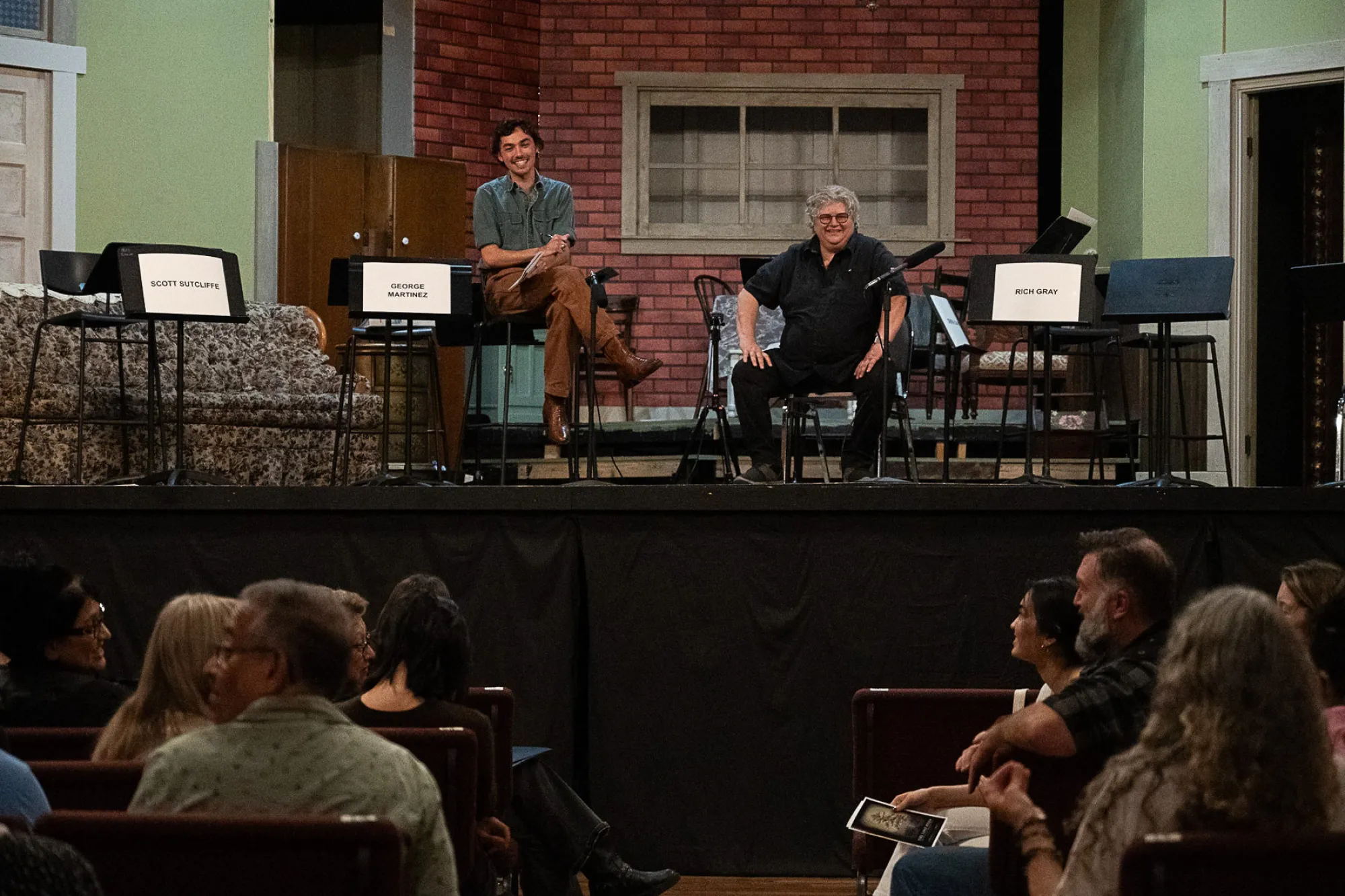
The Lost Pines was presented as two staged readings, one in February 2026 at UT and the other in March at the Bastrop Opera House, mere miles from the play’s namesake forest of loblolly pines. Several Bastrop natives attended and saw their experiences reflected on stage. In a talkback after the performance, audience members shared their own memories from the wildfire and its aftermath, creating a space for communal reflection and healing. Sullivan listened intently, taking notes to incorporate into future versions of the play.
In April 2026, Sullivan was awarded the UT Co-Op George H. Mitchell Award for his creative research project. He plans to continue workshopping The Lost Pines through additional developmental readings and an eventual production in Bastrop.
Re-creating Robbins: From Archives to the Rehearsal Room
by Sydney Pattillo
When Elyse Rosario first started working on her B.A. Honors thesis project, archival research was a relatively new concept to her.
Driven by her passion for musical theatre and the storytelling power of dance, she centered her thesis project on Jerome Robbins’ choreography in West Side Story. An aspiring choreographer, she planned to learn Robbins’ “Dance at the Gym” sequence and teach it to a group of first-year Dance students. When learning the choreography on her own proved difficult, she sought guidance from Jerome Robbins himself — through an archive of interviews and audio clips.
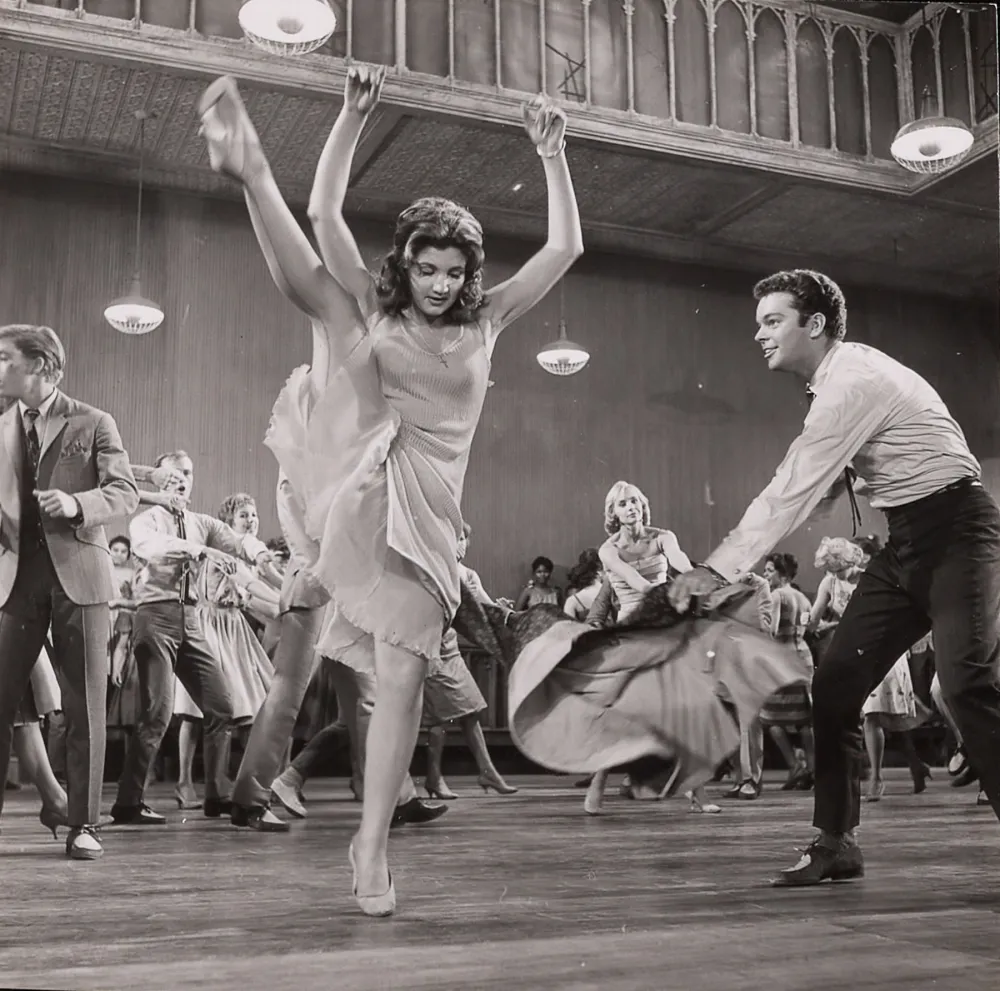
In spring 2025, Rosario visited the Dolph Briscoe Center for American History during a class with Performance as Public Practice Assistant Professor Luke Williams. The trip opened her eyes about the wealth of knowledge and resources that existed within historical archives. While visiting her home state of New Jersey that summer, Rosario spent days combing through the New York Public Library, studying any media she could find that featured Robbins.
“It’s just really riveting to pick the brain of someone who no longer exists,” Rosario said. “The fact that we’re able to do that — the whole idea of archival stuff — it felt surreal.”
Next, she searched for rehearsal footage, which led her to the Jerome Robbins Trust. While they didn’t have the footage she was looking for, they were able to connect her with Krissy Richmond, a former principal dancer for the Houston Ballet who knew Robbins’ choreography. With this new connection forged, Rosario reimagined her project — rather than teaching the students herself, she would study Robbins’ techniques as they were taught by another established choreographer.
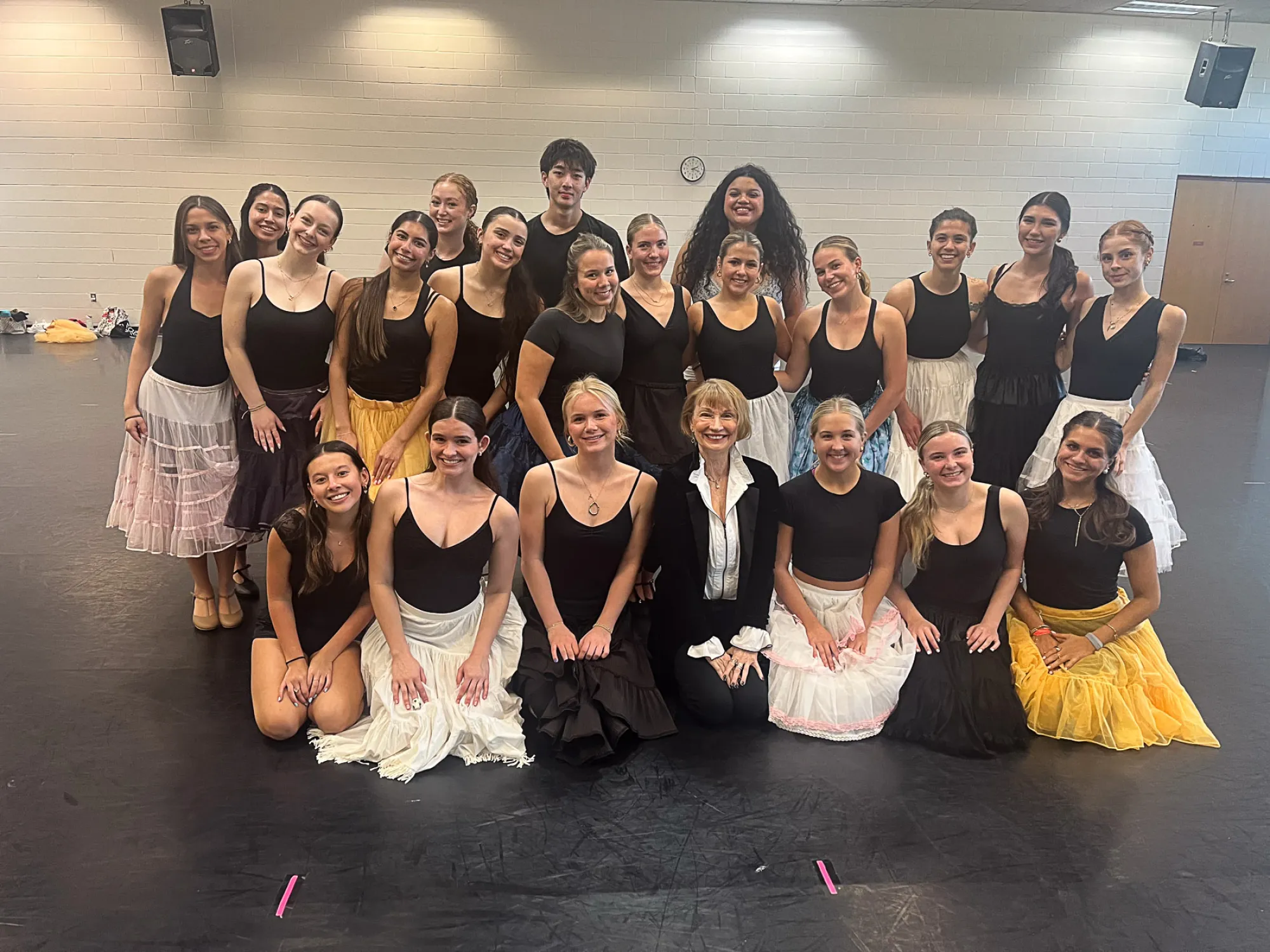
During a two-week period, Richmond taught a shortened version of the “Dance at the Gym” scene to first-year students in Associate Professor Leah Cox’s dance class, culminating in a public showing of their work. Rosario took copious notes, studying the subtle feedback that Richmond shared with the dancers. Through this embodied research, she learned how integral character motivations were to the construction of Robbins’ choreography.
From historical archives to the rehearsal room, Rosario’s research painted a detailed picture of Robbins’ choreographic method, leaving her with a deeper understanding of dance as a storytelling tool.
“Sometimes you need to revisit history so that when you try to do something similar, you have the ancestors to rely on,” Rosario said. “It was really important to me to analyze this success story.”
Honors AET student uses physical and digital technology to break down accessibility barriers
by Gaby Hernandez
Ella Gault’s path into accessibility research began long before she arrived at UT. Diagnosed with a movement disorder as a child, she attended outpatient support groups at Cook Children’s Medical Center, where she listened to people describe unmet needs. That experience shaped a sustained research focus during her time in the Department of Arts and Entertainment Technologies (AET), connecting her honors thesis, coursework and a broader interest in how technology can serve specific communities.
Advised by Professor Jessie Contour, Gault used her honors thesis to examine how designers can improve accessibility for wheelchair users. What began as a concept for an accessible-spaces app expanded into a broader design guide encompassing both digital and physical environments.
Her research process combined a literature review with user interviews, which surfaced consistent, recurring barriers. Wheelchair users described a widespread lack of reliable accessibility information, including venues without photos on their websites, phone referrals that looped endlessly without resolution, and unreliable wheelchair solutions that deterred use entirely. Her research uncovered a common misunderstanding — that accessibility means willingness to help, rather than actual navigability.
Gault’s thesis, “Expanding Accessibility: Examining How Mobile Technology Can Be Used to Navigate Physical Barriers,” was completed in fall 2025, but her accessibility research did not stop there.
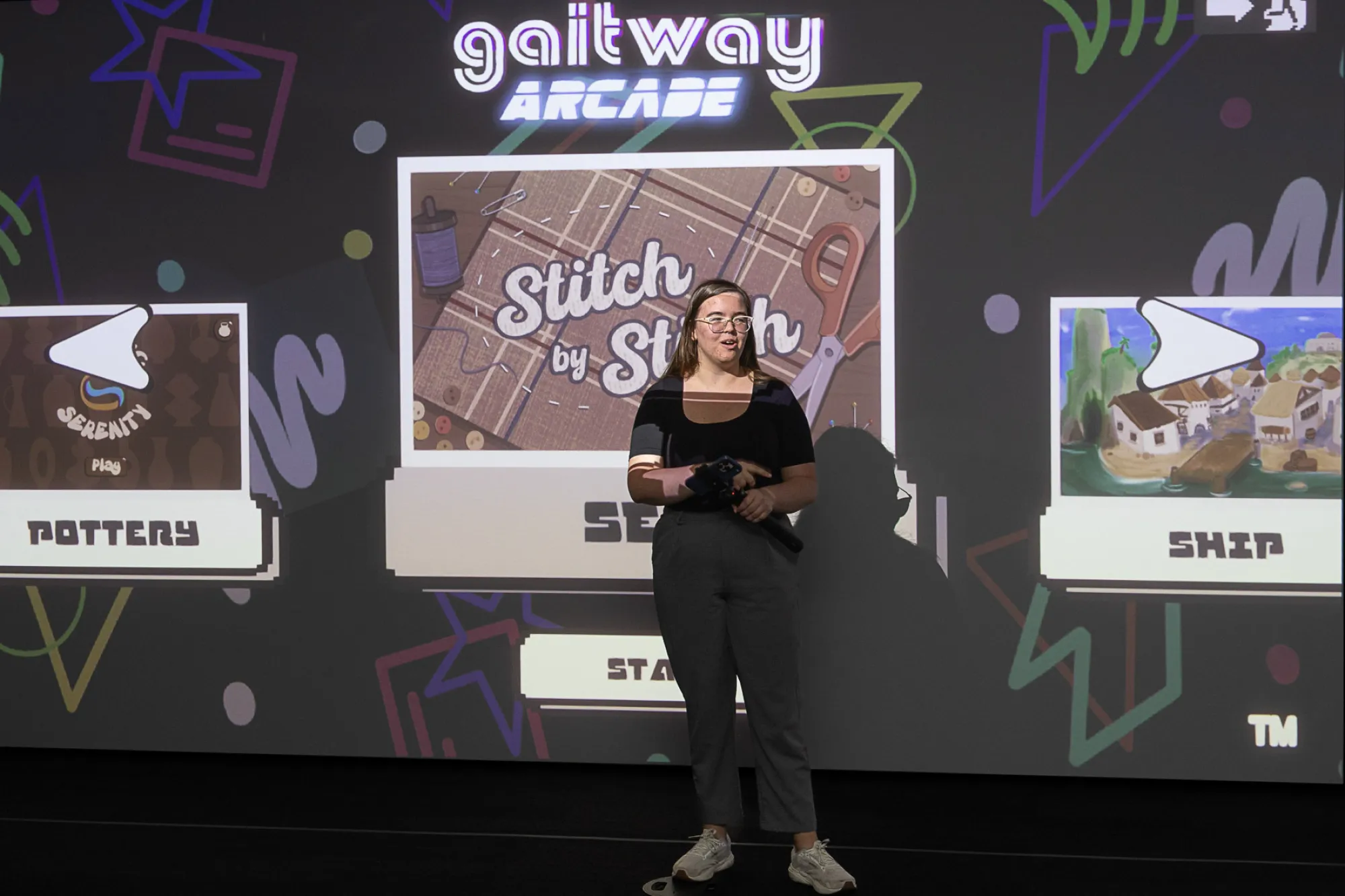
Through AET’s Games for Good courses led by Professor David (D.S.) Cohen, Gault contributed to the Gaitway Arcade project, which uses motion-capture technology to develop interactive games to encourage balance and gait rehabilitation for stroke survivors. In the introductory course, the team conducted user research and designed the games. As the team progressed to Advanced Games for Good, they prepared the work for submission to the Institutional Review Board and began testing with human subjects.
In addition to accessibility research, her work has taken her across the world to support other communities. She was awarded a Presidential Award for Global Learning, which funded six weeks of fieldwork in Scandinavia. There, she and a group of other AET students examined how small-scale community agriculture contributes to urban resilience.
Gault draws a direct line between all three projects. Each requires the same foundational orientation: identifying the specific needs of a specific population before designing a response. She says this perspective allows her to push technology toward where it should be, rather than where it currently stands.
Design student combines sustainability with fashionable footwear
by Gaby Hernandez
Ava Shea Feinstein came to UT intending to study graphic design. During the first week of class, she was introduced to industrial design, igniting a new passion. A sophomore-year course, Images and Communication, then planted the seed for her senior capstone project. Drawing on a lifelong interest in fashion and a frustration toward her large collection of uncomfortable heels, she began researching the footwear industry.
The resulting project, Calisto, addresses two compounding failures in the footwear industry: the chronic discomfort of high heels and their environmental cost. Donated or landfill-bound shoes contribute to over a million tons of waste annually, and Feinstein’s research found that end-of-life disposal is only part of the problem. The manufacturing process itself, which can involve more than 300 steps to produce a single pair, generates significant material waste at scale.
Feinstein spent two years surveying users, prototyping models and mapping existing solutions before arriving at her design approach. While there are existing responses to heel discomfort, she found that none address fit and comfort for limited audiences, and all do little to reduce environmental impact. Feinstein also faced a more technical challenge: creating a heel that combines the cushioning properties of foam with the structural integrity of a solid heel.
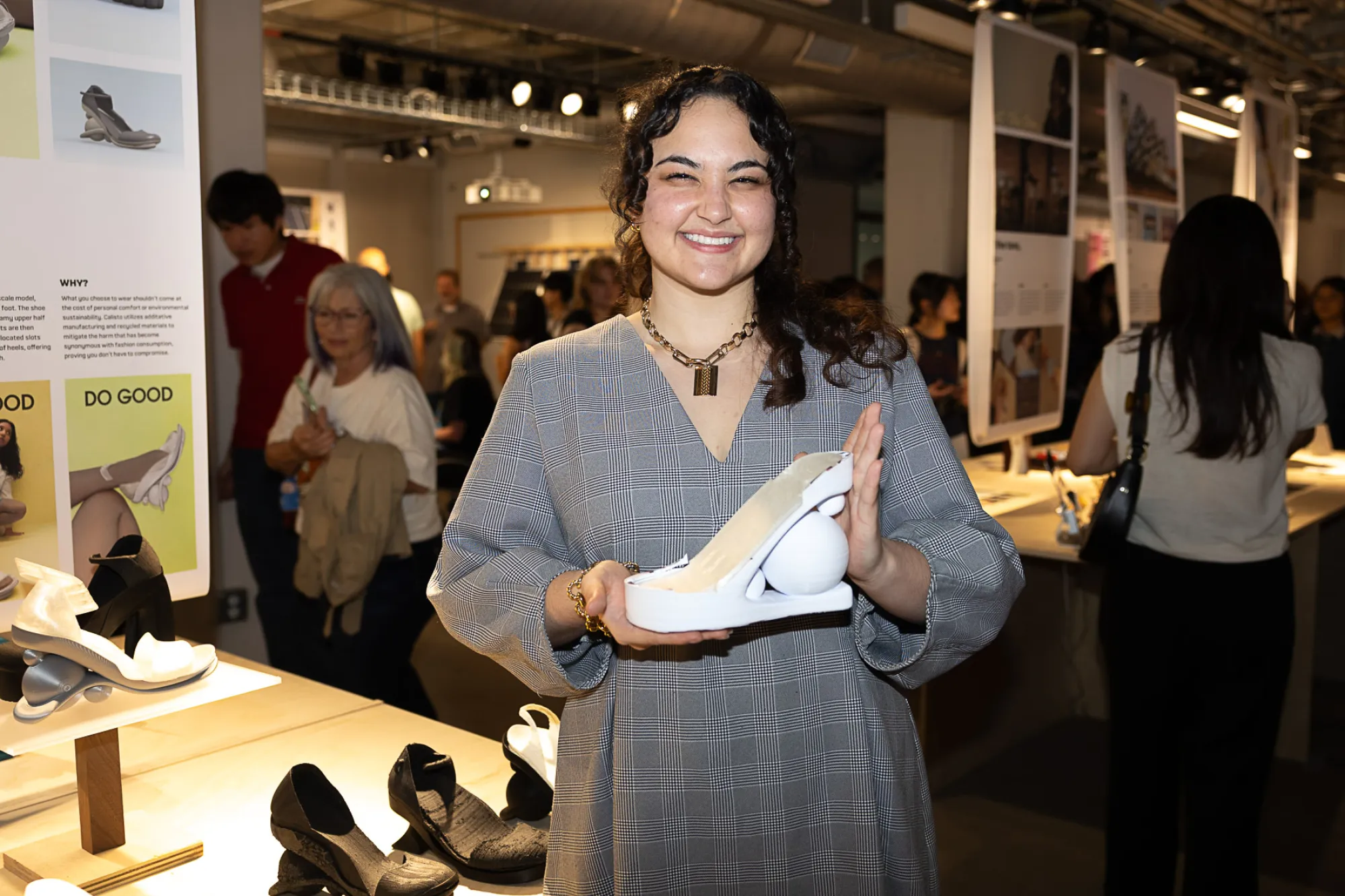
Calisto merges modular design with additive manufacturing. Using photogrammetry, a scan generates a scale model of each customer’s foot, which is then used to print a personalized insole. The shoe is produced in two parts: a TPU foam upper half and a lower half made from 100% recycled ocean-waste nylon and carbon fiber, linked by internal sliding connection points. Because those connection points are standardized across all pairs, shoes are interchangeable and mix-and-match by design. The result is a product that reduces manufacturing waste through additive production, extends shoe lifespan through modularity, and eliminates fit-related discomfort through customization.
Feinstein presented Calisto as part of the Department of Design’s spring 2026 exhibition. Additionally, she entered the project in the 2026 GSLI Sustainability Education and Enterprise Development (SEED) competition, where her team placed third among 28 competing teams, won the best pitch award and received more than $2,000 in funding. She plans to continue developing Calisto beyond her time at UT.
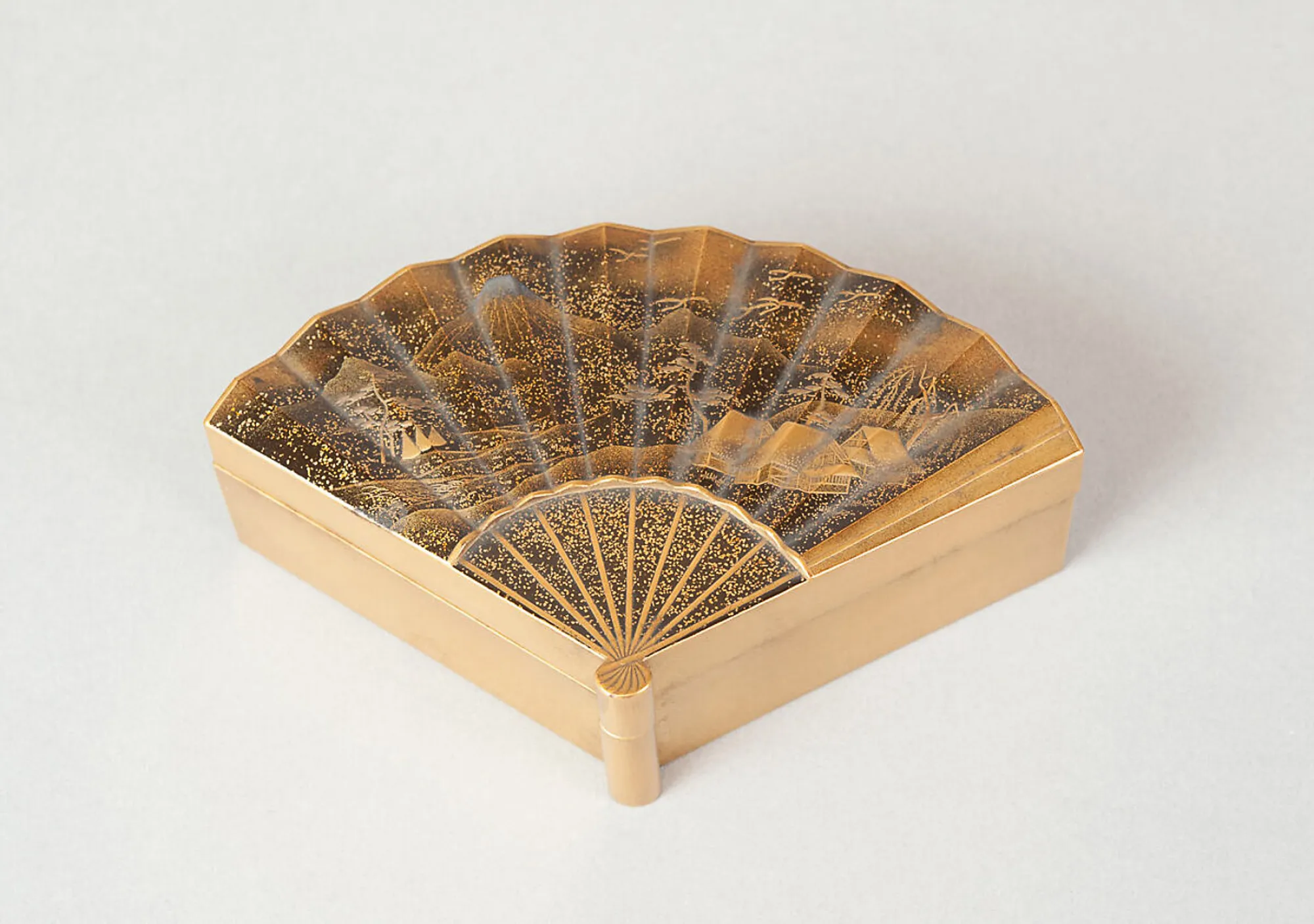
Art History meets finance in award-winning honors thesis from recent graduate Danielle Gu
by Danni Bens
For Department of Art and Art History honors recent graduate Danielle Gu, taking an interdisciplinary approach to research was crucial to her work in uncovering misconceptions about relationships between American consumers and Japanese products in the 19th century. Gu’s honors thesis, Popular Japonisme in the United States: Japanese art and design in everyday life, explores the influence of Japanese art on Western life and aesthetics. Gu’s research dispelled the commonly held idea among art historians that the first instance of American interaction with Japanese design and products was at the Philadelphia Centennial Exposition of 1876.
The original research topic emerged from a paper Gu had written for her Theories and Methods of Art History course, where she first began to explore the relationships between the United States and Japan through an arts and design lens. From there, she created a timeline tracing when Japanese goods met everyday Americans. By focusing on the general public, Gu was able to trace the sale of Japanese-manufactured products by cross-analyzing economic export data and historical periodicals from the 19th century.
Gu graduated with a double major in Art History and Finance, and while she didn’t originally intend to use her honors thesis as a vehicle to integrate both facets of her degree into her research, the insights from the trade data and the archival and artistic analyses greatly strengthened one another.

Not only did combining methods from the seemingly disparate fields yield new discoveries, but Gu said the unique approach was personally rewarding, and she enjoyed using skills she picked up in both finance and art history courses. She said her work “diverges from existing research in the field of Japonisme … [and] provides new and unique insights to economic historians studying Japanese trade from this time period, or design historians studying the American relationship with Japanese design.”
Gu said she didn’t encounter many historical narratives during her research that utilized economic, design and art history methodologies, and when she combined those areas, she was able to create a comprehensive archive of Japanese export data to the U.S. from 1882 to 1912 that didn’t exist before her thesis project.
Gu’s adviser, Design Professor Carma Gorman, described her mentee’s thesis as “doctoral-level work.” Gu received the Student Award for Academic Excellence from The University of Texas at Austin’s Office of the Executive Vice President and Provost, and she also was invited to present her research and findings at the UT Co-op George H. Mitchell Awards ceremony, where she was named the Humanities Category winner for the UT Co-op George H. Mitchell Award and took home a $5,000 grand prize.